

"Service to others is the rent you pay for your room here on Earth." — Muhammad Ali
There is a romanticized notion of volunteering that usually involves smiling children, freshly painted school walls, and a warm, fuzzy feeling of having "made a difference." The reality is grit. It is dirt. It is a level of physical exhaustion that bypasses your muscles and settles deep in your bones. And it is in that exhaustion, stripped of our comforts and our savior complexes, that we finally start to understand what it means to be human.
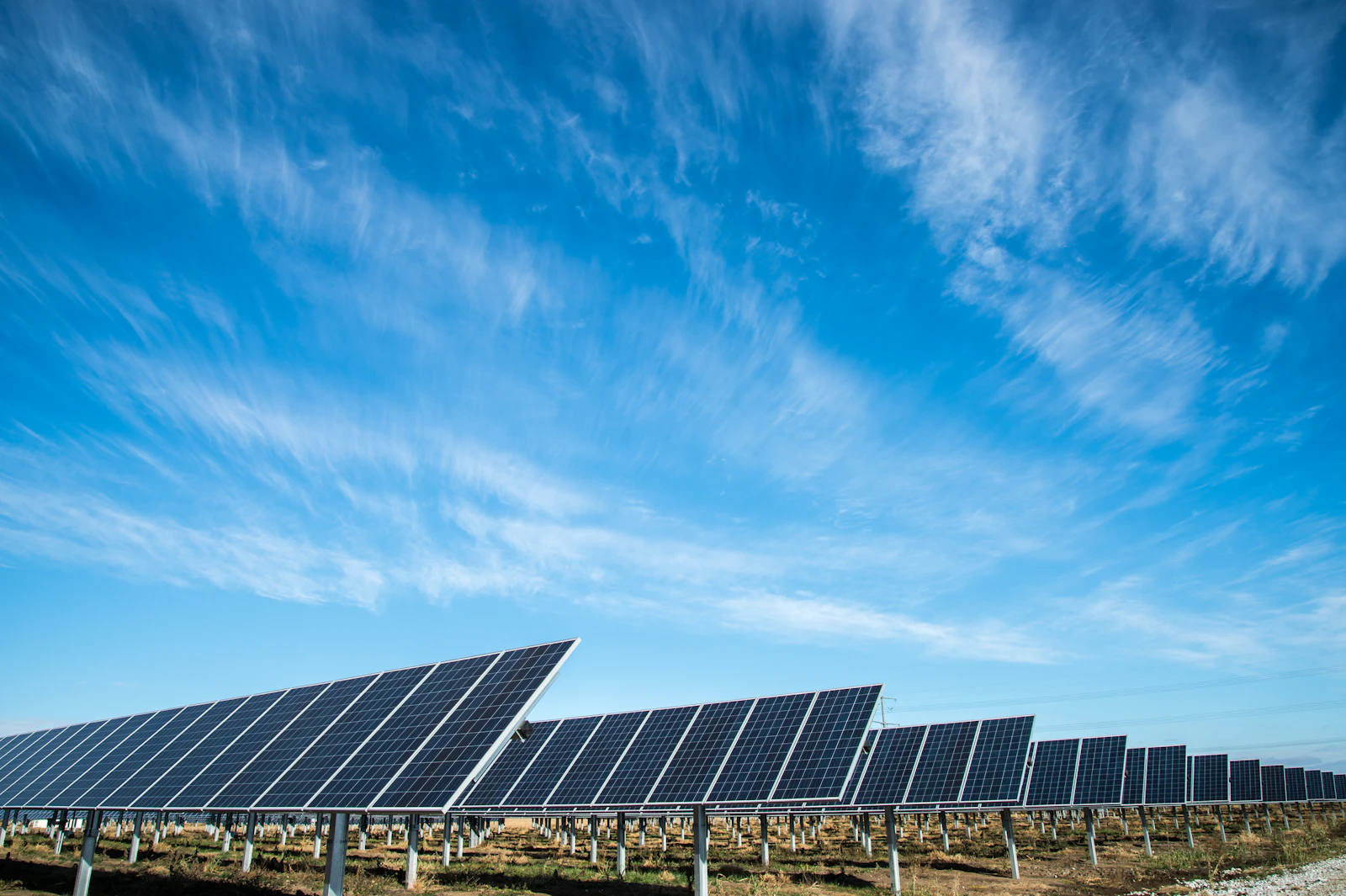
We went into the forest thinking we were the benefactors. We were the "city kids," the educated ones, bringing technology and light to the remote villages. We carried solar panels, batteries, and wires, and along with them, the heavy baggage of our own egos. We thought we were bringing civilization to the wild. We were wrong. We were just visitors in a place that had already mastered the art of living, long before we arrived with our voltage meters and power drills.
The journey itself was the first lesson. The roads ended miles before the village did. We had to hike, carrying equipment that weighed almost as much as we did, up trails that weren't so much paths as they were scars in the red clay. The dust was ubiquitous. It coated our skin, matted our hair, and filed our lungs until every breath tasted like iron.
I remember the specific agony of that climb. The way the straps of the backpack dug into my shoulders, cutting off circulation. The way my legs screamed for a break that I couldn't afford to take. But looking around, I saw the same grimace on everyone else's face. We were united in our suffering. There were no titles here. No managers, no interns, no seniors. Just bodies moving weight against gravity. The hierarchy of the office dissolved into the simple binary of those who walked and those who needed a hand.
We stopped seeing the "poor remote villagers" and started seeing the people. We saw the elderly woman who hiked that same trail daily with a basket of firewood on her back, overtaking us without breaking a sweat. We saw the children who ran barefoot over rocks that made us stumble in our hiking boots. We realized that our definition of strength was laughably narrow. We had gym muscles; they had life muscles. We had endurance for meetings; they had endurance for survival.
The paradox of charity hit me somewhere around the third day, as we were mounting panels on a tin roof under the blistering sun. We weren't bringing resilience to this community. They were the definition of resilience. They had thrived for generations without the grid, without the internet, without us. We weren't saving them. We were merely providing a tool, a convenience. The narrative of the "savior" crumbled, replaced by the humble reality of the "guest."

But the magic happened at night. When the work was done, and the sun dipped below the tree line, a darkness fell that was absolute. In the city, you never see true darkness. There is always ambient light, a safety net of illumination. Here, the darkness was a physical weight. But then, the stars came out. Not the handful you see from a rooftop bar, but millions of them, a river of milk spilled across the obsidian sky.
We would sit around a fire, too tired to talk, eating simple food that tasted better than any Michelin-starred meal I've ever had. It was in these moments of profound, heavy silence that the connection happened. You don't need language when you've spent twelve hours sweating next to someone. You know them. You know their work ethic, their breaking point, their kindness. I looked at my teammates—strangers a week ago—and felt a bond that years of corporate "team building" retreats had failed to forge.
And then there was the village itself. The way they welcomed us, not with fanfare, but with a quiet, dignified hospitality. They shared their limited water, their space, their stories. They didn't treat us like heroes; they treated us like cousins who had come to visit. There is a specific kind of grace in letting someone help you. It requires a vulnerability that is hard to muster. They allowed us to be useful, and in doing so, they gave us a gift far greater than the electricity we were leaving behind.
I remember standing in the center of the village the night we finally turned the system on. A single lightbulb flickered to life in the community hall. It wasn't blindingly bright, just a warm, steady yellow glow. But the cheers that erupted—it wasn't about the technology. It was about the possibility. It was about the children who could now read past sunset. It was about the village feeling seen, feeling connected to the rest of the world.

We left the mountain with lighter packs but heavier hearts. We left behind panels and wires, but we took with us something indelible. We took the red dust, which I swear I was still washing out of my pores weeks later. We took the memory of the silence. And we took the realization that we are not separate from these people. The boundaries we draw—wealth, education, geography—are flimsy constructs.
When you strip it all away—when you are just a body carrying a load up a hill—you realize that we are all just chasing the sun. We are all trying to push back the darkness, to find a little warmth, to make life a little easier for the ones coming after us.

Returning to the city felt like walking into a wind tunnel of noise. I entered my apartment, filled with its gadgets, its furniture, its things, and I felt suffocated. I had just spent a week living with nothing but a backpack, and I had been happier than I had been in years.
I realized how much of my mental energy was spent managing my possessions. How much stress came from "optimizing" my life. In the village, life wasn't optimized; it was lived. It was a slap in the face from reality: we spend our lives accumulating layers to protect ourselves, only to find that the layers are what separate us from the experience of being alive.
I started giving things away. I simplified. I chased that feeling of lightness I had on the mountain.
And I recognized a new kind of privilege. Not the privilege of wealth, but the privilege of connection. The villagers were materially poor but relationally rich. They had a community that would literally carry them if they fell. In my high-rise apartment, surrounded by thousands of people, I didn't know the name of my neighbor. Who was truly poor?
Volunteering didn't save the world. It didn't fix systemic poverty or bridge the infrastructure gap overnight. But it fixed something in me. It realigned my compass. It taught me that connection is a physical act. It requires showing up. It requires getting your hands dirty. It requires breathing the same dust and walking the same mud.
As I returned to the concrete jungle, to the air conditioning and the reliable 4G and the endless notifications, I found myself missing the clarity of exhaustion. I missed the simplicity of a task that had a beginning and an end. I missed the stars.

But every time I flip a light switch now, I hesitate for a microsecond. I remember the weight of the panels. I remember the smell of the forest. And I remember that light is not a guarantee; it is a privilege. And it is our responsibility to share it.