

"Cities, like dreams, are made of desires and fears." — Italo Calvino.
I grew up in a city that refused to sleep. It wasn't just insomnia; it was a metabolic condition. The city metabolized ambition, noise, exhaust fumes, and humidity, turning them into a thick, palpable energy that coated your skin the moment you stepped outside. For many, this place was a sensory overload, a chaotic sprawl of traffic and tangled power lines that blocked out the sky. But for me, it was a lullaby.
My education didn't happen in the sterile, air-conditioned lecture halls of a university. It happened here, on these streets, between the hours of 11 PM and 4 AM. That’s when the city shed its daytime skin—the suits, the briefcases, the frantic rush to be somewhere else—and revealed its true self. It was a raw, unfiltered beast, beautiful in its honesty.
I remember the nights we spent on motorbikes, weaving through the arteries of the metropolis. There is a specific kind of freedom that only exists at 60 kilometers per hour, under the harsh glow of sodium streetlights, with the wind tearing at your jacket. We weren't going anywhere in particular. The destination was irrelevant. The act of moving was the point. We were outrunning the stagnation, the fear of being ordinary, the heavy expectations of families who wanted us to be doctors or engineers.

The most vivid memories are painted in the colors of neon reflecting off black asphalt. I remember the monsoon seasons, when the sky would tear open and unleash a torrent of water that the drainage systems couldn't hope to handle. The streets would flood within minutes, turning intersections into murky rivers. Most people ran for cover. We didn't. We rode through it, the water splashing up to our shins, laughing at the absurdity of it all. There is a smell that rises from hot asphalt when the first heavy rain hits it—petrichor, yes, but urban petrichor. It smells of dust, oil, ozone, and relief. It smells like the city taking a deep breath after holding it all day in the stifling heat.
Those floods taught me more about resilience than any textbook ever could. You see the city grind to a halt, the sophisticated infrastructure failing, the sleek cars stalled. And then, you see the people. You see a street vendor calmly moving his cart to higher ground. You see a group of strangers pushing a stalled taxi. You see life finding a way to continue, adaptable and stubborn. The city demands resilience. If you are brittle, you break. If you are fluid, like the floodwater itself, you survive.

But amidst the chaos, there were pockets of profound stillness. My refuge was a 24-hour coffee shop on a busy corner. It was a place of transit, a holding pen for the sleepless. The fluorescent lights were always too bright, humming with a low-frequency buzz that matched the vibration of the city outside. I would sit there for hours, nursing a single cup of overly sweetened coffee, watching the theater of the night unfold through the plate-glass window.
There is a specific texture to loneliness in a city of millions. It’s not the solitude of a hermit on a mountain; it’s a crowded isolation. You are surrounded by life, yet strictly separated from it by invisible walls of etiquette and indifference. I remember watching a woman across the street, night after night, standing on her balcony smoking a single cigarette. We never spoke. I never knew her name. But for those five minutes at 2 AM, we were companions in insomnia, sharing the same humid air, overlooking the same neon-drenched street to the rhythm of a distant siren. We were intimate strangers, bound by the architecture of our shared loneliness.
You saw everything in those places. The exhausted students cramming for exams, eyes rimmed with red. The graveyard shift workers, silent and stoic. The couples in the middle of a breakup, their hushed arguments more deafening than the traffic. And the solitary figures, like me, who just needed to be around people without having to interact with them. In that crowded room, amidst the clatter of porcelain and the hiss of the espresso machine, I found a strange, paradoxical clarity. It was a solitude that wasn't lonely. It was a connection to humanity without the burden of conversation.
One night, waiting out a particularly violent storm under a bus stop awning, I shared the space with an old man selling roasted corn. The charcoal smoke from his cart mixed with the smell of rain. He didn't speak my language well, and I didn't speak his dialiect, but he handed me a cob wrapped in husk without asking for payment. "Rain washes," he mimed, pointing to the deluge. "City dirty. Rain washes." It was a simple observation, but in that moment, it felt like a prophecy. The city accumulates—grime, sins, secrets, money, dust. It needs the violence of the storm to reset, to breathe, to wash away the excess so it can start again tomorrow.
It was in those hours that I learned to observe. I learned that every face has a story etched into it, if you look closely enough. I learned that silence is a language, and that the loudest things are often left unsaid. I learned that the city is not a monster to be tamed, but a giant, complex organism to be understood.

People often talk about escaping the city to find peace. They dream of mountains, beaches, retreating to cabins in the woods. I understand that appeal. But for a long time, I couldn't imagine a peace that didn't have a backbeat of sirens and distant honking. To me, silence was suspicious. It felt empty. The noise of the city was a reminder that life was happening, that the world was turning, that possibility was just around the corner, even at 3 AM.
Growing up here meant accepting that you are small. The skyline, towering and indifferent, reminds you of your insignificance every day. But it also invites you to dream. The lights in the high-rises are like terrestrial stars, each one a life, a career, a struggle, a triumph. To look up is to aspire. To look down is to remember where you stand.
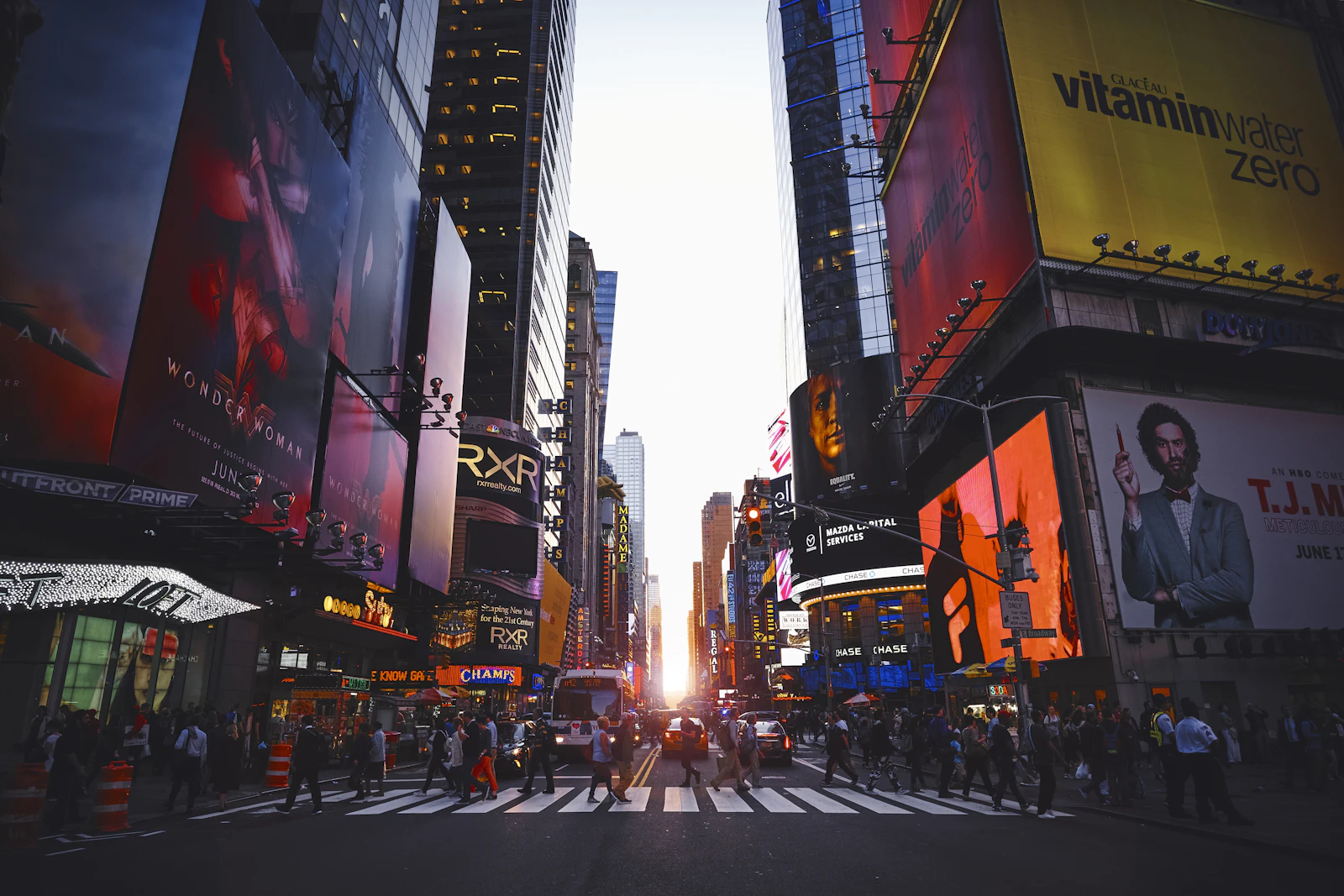
The city changes you. It hardens your exterior, putting a layer of callous over your sensitivity so you can navigate the crowds without bleeding. But it also cracks you open. It forces you to witness poverty alongside extreme wealth, tragedy alongside comedy, often on the same city block. It denies you the luxury of ignorance. You cannot look away from the homeless man sleeping beneath the billboard for luxury condos. You have to integrate that contradiction into your worldview.
This friction, this constant rubbing of tectonic plates of society, creates a heat. It’s the energy of the city. It’s what drives the hustle, the innovation, the art, and the madness.

Eventually, I did leave. I sought out those quieter places, the mountains and the foreign towns with their orderly streets and silent Sundays. And I loved them too, in a different way. But a part of me remains on those wet, neon-lit streets. A part of my internal rhythm is still synced to the chaotic heartbeat of the metropolis.
I realized that we carry our landscapes inside us. The geography of my soul is paved with asphalt and lit by neon. My resilience is the resilience of a weed growing through a crack in the concrete—stubborn, unwanted perhaps, but thriving against the odds.

Neon and rain. That is the texture of my nostalgia. It is the feeling of being young, wet, cold, and absolutely on fire with the terrifying, exhilarating possibility of being alive. It is the realization that the storm isn't something to hide from; it's something to ride through. And that sometimes, the most profound peace is found specifically in the eye of the hurricane, in that crowded coffee shop, watching the world wash away and rebuild itself, one rainy night at a time.