

"The journey itself is my home." — Matsuō Bashō
There is a difference between being a tourist and being a traveler, but there is an even profounder difference when you travel through your own homeland. You are both a native and a stranger. You speak the language, but the dialects twist and turn like the mountain roads, marking you as an outsider. You know the history, but you are only just discovering the geography.
I packed a bag, strapped it to a battered Honda sewing-machine of a motorbike, and pointed the front wheel North. No GPS, just a vague idea of "up." I wanted to see the veins of my country. I wanted to feel the topography in my arms and legs.
The road is the ultimate equalizer. Out there, on the hairpin turns of the High Pass, your job title doesn't matter. Your bank account doesn't matter. The only thing that matters is your center of gravity, your grip on the clutch, and your ability to read the tarmac. The road demands a total, meditative focus. If your mind wanders, you crash. It is a forced mindfulness, a zen state induced by the vibration of the engine and the rushing wind.

I remember ascending into the clouds. The air grew thin and cold, biting through my gloves. The landscape shifted from lush green rice paddies to jagged limestone karsts that pierced the sky like dragon's teeth. The fog rolled in—a thick, white blanket that reduced visibility to five meters. I was terrified. I was riding blind on the edge of a cliff, trusting the machine, trusting the strangers who honked their warnings from the mist, and trusting my own instincts to guide me through the whiteout.
Then there was the gravel patch. A moment of inattention, a tap on the front brake, and the front wheel washed out. Time dilated. I remember the sound of plastic scraping against stone—a horrific, screeching crunch. I slid for what felt like an eternity, but was probably two seconds. When I stopped, I was lying in the dirt, the bike on my leg, the engine sputtering and dying. Silence returned to the mountain. I lay there, checking my limbs one by one. Nothing broken. Just a bruised ego and a bent handlebar. I sat by the roadside, trembling with the adrenaline dump, staring at a small yellow flower growing out of the ditch. It was the most beautiful thing I had ever seen.
It was an exercise in absolute vulnerability. In the city, we insulate ourselves with safety nets. We have insurance, hospitals, mechanics, Uber. Here, if I broke down, I was alone. If I fell, I was alone. That fragility makes you feel incredibly alive. Every successful kilometer feels like a victory against entropy.
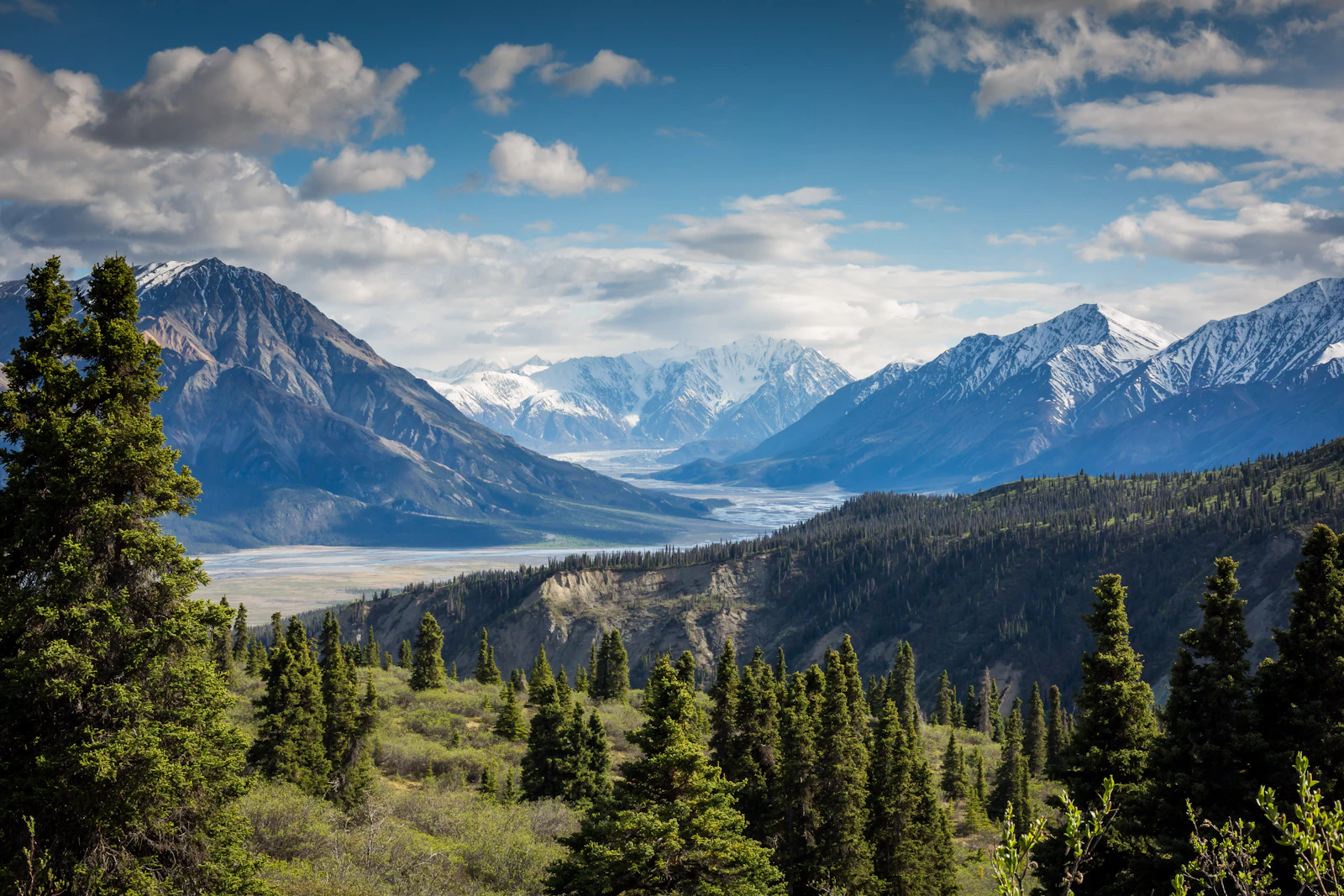
But the vulnerability also opens you up to the kindness of strangers. And this, I think, was the true destination of the trip.
I broke a chain in a village that wasn't on any map. A cluster of wooden houses clinging to the mountainside. I pushed the bike to a small shack with a hand-painted sign. The mechanic was a man with grease-stained hands and a smile that missing several teeth. He fixed the bike. He refused to take my money. Instead, he invited me to sit by his fire. He offered me tea made from mountain herbs and asked me where I was from, where I was going, and why I was alone.
We sat there for an hour, watching the smoke drift up to the blackened thatch roof. He told me about his buffalo. I told him about the city. We inhabited different centuries, in a way, yet we laughed at the same things. The smell of woodsmoke from that fire is seared into my memory. It is the smell of a hospitality so ancient and pure that it makes the transactional nature of modern life feel cheap.

Backpacking across your own country changes your definition of "home." Home is not just the house you grew up in. Home is the terrifying majesty of the mountains. Home is the lady selling grilled corn by the roadside who calls you "child." Home is the vast, sprawling, chaotic, beautiful mess of land and people that shared your history long before you were born.
I saw the poverty, yes. I saw the struggle. But I also saw a richness of spirit that the city has lost. I saw kids playing with sticks and tires, laughing with a joy that was unbridled. I saw families working the terraced fields, their movements synchronized like a dance.

Riding those winding roads, I unspooled my own anxieties. The knots in my stomach loosened with every curve. The need to "be someone" faded away, replaced by the simple need to "be here." To get to the next town. To find a bed. To eat. The hierarchy of needs collapsed to its foundation, and it was liberating.
I returned with a layer of road dust on my skin that took days to scrub off. My back ached. My hands were vibrating from the handlebars. But my mind was still. I had found a silence in the roar of the wind.
You taste the country when you ride. Not metaphorically. You taste the diesel fumes of the overloaded trucks, the woodsmoke of the villages, the damp rotting vegetation of the jungle, and the metallic dust of the construction sites. You are not sealed in a glass bubble with climate control. You are part of the ecosystem. I remember stopping at a roadside shack for "pho" so simple it was just broth, noodles, and three slices of meat, but eating it with hands still trembling from the cold, watching the rain slant across the valley—it was a Eucharist. This was the communion with the land I had been looking for.

The road teaches you that the path is never straight. It twists, it climbs, it descends, it disappears into the fog. You can't see the destination. You can only see the next ten meters. And that is enough. You just keep riding. You trust the machine. You trust the road. And you trust yourself to handle whatever lies around the bend.

We spend so much time looking at maps—of our careers, our lives, our relationships. But the map is flat, static, and safe. The territory is rough, unpredictable, and breathtaking. You have to put down the map and start the engine. The winding road doesn't promise a shortcut; it promises a story. And in the end, a story is the only thing worth bringing home.